

Bermondsey Street rubbish removal guide SE1
Posted on 03/07/2026
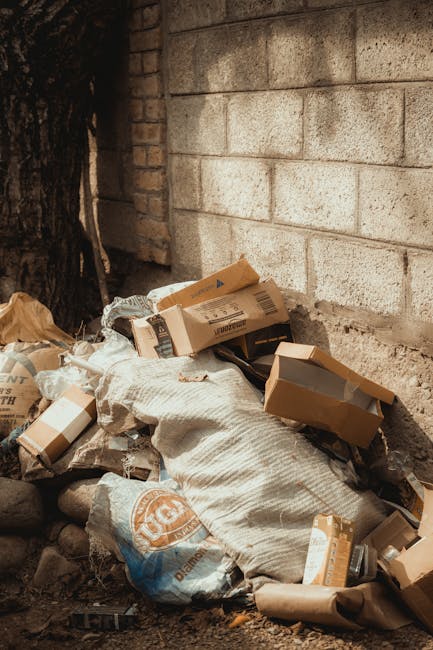
If you live, work, or are renovating near Bermondsey Street in SE1, rubbish has a habit of building up faster than you expect. One minute it's a few flat-pack boxes and an old chair, the next it's a hallway you can barely walk through. This Bermondsey Street rubbish removal guide SE1 is here to make the process clearer, calmer, and a lot more manageable. Whether you're clearing a home, dealing with builders' debris, or simply trying to reclaim some space, the right approach saves time, hassle, and a few headaches too.
Below, you'll find a practical breakdown of how rubbish removal typically works in the area, what to watch out for on busy London streets, and how to choose the most suitable method for your situation. You'll also get a checklist, a comparison table, and some straight-talking advice that reflects how rubbish clearance really works in day-to-day Bermondsey life.
Why Bermondsey Street rubbish removal guide SE1 matters
Bermondsey Street is not the sort of place where rubbish can be left to "sort itself out". It's busy, characterful, and often tight for access. Many properties sit above shops, in converted buildings, or along streets where loading space is limited. That changes the whole rubbish removal game.
In practical terms, this matters because the wrong disposal plan can lead to delays, blocked entrances, awkward lifting, or waste sitting around for longer than you wanted. If you're managing a clear-out near a restaurant, studio, flat, office, or renovated property, timing suddenly becomes important. A cluttered passage or overflowing pile can disrupt neighbours, staff, and delivery access. Not ideal.
It also matters because different waste types need different handling. Mixed household rubbish, bulky furniture, old fixtures, garden cuttings, renovation rubble, and office junk are all handled differently in a professional clearance workflow. Mixing them carelessly can increase cost, reduce recycling potential, and create avoidable confusion on the day.
And there's the local angle. SE1 properties often deal with shared access, conservation-style buildings, and residents who value a tidy street. A sensible rubbish removal plan respects all of that. You get a cleaner space, but you also avoid the slightly embarrassing situation of making the whole pavement look like a staging area. Nobody wants that.
If you want a broader look at the services that typically sit around local clearance work, the services overview is a useful starting point, especially if you're comparing household, office, loft, or furniture disposal needs.
How Bermondsey Street rubbish removal guide SE1 works
At its simplest, rubbish removal is the organised collection, sorting, loading, and disposal of unwanted items from your property or premises. In Bermondsey Street, the process is usually shaped by access, traffic flow, building type, and the amount of lifting involved. The best jobs feel almost invisible to the customer. The team arrives, assesses the load, handles the heavy bits, and leaves the area tidy.
Most services follow a fairly standard pattern:
- Initial assessment - you explain what needs clearing, ideally with photos or a rough item list.
- Volume estimate - the load is judged by how much space it will take, not just by number of items.
- Access check - stairs, narrow hallways, parking restrictions, and loading points matter a lot in SE1.
- Collection and sorting - reusable and recyclable items are separated where possible.
- Loading and removal - the waste is taken away safely and efficiently.
- Responsible disposal - waste is diverted to the appropriate route, depending on type and condition.
One thing people often underestimate is the value of preparation. If you can group items by room, keep valuables separate, and point out anything hazardous or awkward, the whole job becomes smoother. That's true whether you're emptying a loft, clearing a small office, or dealing with post-renovation debris.
For fuller context on how clearance fits together with other waste services, the rubbish collection Bermondsey page can help you understand the difference between a one-off clear-out and a more regular collection need.
Key benefits and practical advantages
A proper rubbish removal service is about much more than getting rid of things. Truth be told, the real value is in how much time and stress it gives back to you.
Here are the main benefits people notice first:
- Less disruption - you do not have to spend a weekend making endless runs to a disposal point.
- Safer handling - bulky furniture, broken items, and heavy bags are moved with less risk of injury.
- Better use of space - a clear room feels bigger immediately. You'll notice it.
- Cleaner sorting - recyclable and reusable items can often be separated more effectively.
- More predictable planning - once the load is assessed, you can work to a clear schedule.
- Better for busy households and businesses - not everyone has time to dismantle, carry, and dispose of everything themselves.
There's also a practical psychological benefit, even if it sounds a bit obvious. Clutter can make the next decision harder. Once the rubbish is removed, you think more clearly about what stays, what gets replaced, and what the space should actually do for you. That applies to homes, offices, and even storage spaces that have quietly become chaos caves. Happens more often than people admit.
If sustainability matters to you, there's added reassurance in choosing a provider that pays attention to reuse and recycling. You can read more about this approach in the site's recycling and sustainability information, which is especially relevant if you want to reduce avoidable waste.
Who this is for and when it makes sense
This guide is useful for anyone in or around Bermondsey Street who has more waste than they can reasonably manage alone. That could be a homeowner, tenant, landlord, tradesperson, facilities manager, or small business owner.
It usually makes sense when:
- you are moving out and need a fast clear-down;
- you have inherited items that need sorting;
- you are replacing furniture or white goods;
- you are renovating and the waste is too bulky for normal bins;
- you are clearing office equipment, paperwork, or old stock;
- you need to empty a loft, storage room, or basement;
- you are trying to keep a property sale or letting timeline on track.
It also makes sense if your own time is limited. Many people start with the best intentions, then realise the job needs lifting, sorting, and a vehicle larger than the one they own. No shame in that. It's just a very normal London problem.
If you're leaving the area or preparing a property for market, you may find the local context useful too. The article on selling your property in Bermondsey ties neatly into why a clean, uncluttered space matters during viewings and handovers.
Step-by-step guidance
If you want the smoothest possible result, treat rubbish removal as a small project rather than a rushed chore. A little structure goes a long way.
1. Identify what really needs to go
Walk through the space room by room. Separate rubbish, recyclable items, furniture, fixtures, and anything you may still want to keep. Be honest with yourself. That old lamp you "might fix one day" can probably go.
2. Flag awkward or sensitive items early
Mattresses, fridges, dismantled wardrobes, paint tins, and mixed construction debris need more planning than ordinary bagged waste. Mention them up front so the removal plan matches the load.
3. Check access before collection day
This is especially important on Bermondsey Street. Note where a vehicle can stop, whether there are narrow stairs, and whether there are any time restrictions or shared entrances. If access is tight, the job may need extra time or extra hands.
4. Group items logically
Keep similar items together where possible. Books in one area, broken fittings in another, furniture in another. That makes the collection day less chaotic and often quicker to complete.
5. Separate anything reusable
Good-condition items can sometimes be reused or passed on elsewhere. Even if you are not organising that part yourself, it helps to set them aside clearly. A service with a sustainability focus can only work with what it can identify easily.
6. Confirm the disposal approach
Ask how the waste will be handled. Not every load goes to the same destination, and not every item should be treated the same. This is where experience matters more than sales talk.
7. Leave the area ready for loading
Clear a route from the items to the exit. If you've ever watched a team trying to shuffle a sofa past shoes, coats, and three recycling bags, you'll know why this matters. It's a simple step, but a very useful one.
Expert tips for better results
After enough clearances, a few patterns become obvious. The jobs that go well are not always the smallest ones. They're the ones where the setup is sensible.
Tip 1: Take photos before you book. A few good pictures often explain more than a long description. Include stairs, doorways, and any bulky items. It saves guesswork and reduces surprises on the day.
Tip 2: Don't bury useful items under rubbish. If there are things you want to keep, move them out of the way first. It sounds simple, but under pressure people sometimes forget. Then the panic starts. A bit dramatic, yes, but familiar.
Tip 3: Keep one small "do not move" zone. If there are documents, keys, chargers, or sentimental items, place them in a separate corner or room. That little buffer zone helps everyone stay organised.
Tip 4: Be realistic about timing. A same-day job is not always impossible, but busy streets, parking access, and item volume can affect schedules. Leave breathing room if you can.
Tip 5: Ask about recycling and sorting. Reputable clearance work should not treat every item as if it belongs in one pile forever. You want a methodical approach, not a bin-bag blitz.
If you're interested in how waste reduction thinking shapes better clearance habits, the blog post on innovative approaches to minimise waste in production offers a broader sustainability mindset that still has practical relevance here.

Common mistakes to avoid
Most waste removal problems are avoidable. That's the frustrating bit. But it also means you can dodge them with a bit of planning.
- Underestimating volume - people often think the load will fit in a few bags, then discover a whole room's worth of waste.
- Leaving sorting too late - the more mixed everything becomes, the harder it is to manage efficiently.
- Ignoring access issues - on a street like Bermondsey Street, this can create real delays.
- Not separating hazardous or specialist items - some materials need specific handling and should be identified early.
- Trying to do too much in one go - if the job is large, break it into rooms or zones.
- Forgetting building rules - shared entrances, lifts, or quiet-hour expectations can matter a lot.
Another common slip is assuming every item has the same disposal route. It doesn't. Furniture, general rubbish, garden waste, and builder's debris are very different beasts. That is exactly why services like furniture disposal Bermondsey and builders waste disposal Bermondsey exist as separate needs rather than one catch-all job.
Tools, resources and recommendations
You do not need a full toolkit to organise rubbish removal, but a few simple things make the process much easier.
- Heavy-duty bin bags for loose waste and smaller items.
- Marker pens and labels to identify keep, donate, and remove piles.
- Gloves for sharp edges, dusty items, and awkward rubbish.
- A tape measure if you're dealing with bulky furniture or tight doorways.
- A phone camera for photos before and after.
- Basic screwdriver or wrench if a bed, wardrobe, or table can be dismantled safely.
On the planning side, a good service page or pricing guide can help you compare options before you book. The pricing and quotes page is useful if you want a better sense of what affects cost and how estimates are usually built.
It is also worth knowing what support exists for related property clear-outs. For example, if the job includes storage spaces, the loft clearance Bermondsey service is relevant when years of forgotten boxes, old luggage, and broken bits have quietly colonised the rafters.
Law, compliance, standards, or best practice
Rubbish removal is not just about convenience. There are compliance and best-practice considerations too, especially in London where properties are often close together and access is shared.
In plain English, the main rule is simple: waste should be handled responsibly, with care for safety, traceability, and proper disposal routes. If you are booking a clearance service, it is sensible to ask how the waste will be managed, whether items are sorted, and what happens to recyclable material. You do not need a lecture, just a clear answer.
For homes and businesses, best practice usually includes:
- identifying waste types before collection;
- keeping hazardous items separate where possible;
- avoiding fly-tipping risks by using legitimate disposal channels;
- making sure access routes are safe and unobstructed;
- working with providers who explain their process plainly.
Insurance and safety matter too. If a job involves heavy lifting, tight staircases, or fragile building features, it is worth checking that the team works carefully and with appropriate safeguards. The site's insurance and safety information is relevant here, because the best clearance jobs are the ones that leave no damage behind.
And yes, the boring paperwork side matters. Terms, privacy, payment handling, and similar details are not glamorous, but they do build trust. If you ever want to see how a company approaches those basics, the pages on terms and conditions, privacy policy, and payment and security can tell you a lot about the level of care behind the service.
Options, methods, or comparison table
Not every clearance job needs the same approach. Sometimes a few items can be moved manually. Sometimes you need a full collection and loading service. And sometimes the real answer is a bit of both. Here's a practical comparison.
| Method | Best for | Strengths | Limitations |
|---|---|---|---|
| Self-clearance | Small loads, light items, flexible schedules | Low direct cost, full control | Time-consuming, lifting risk, transport needed |
| Regular bin disposal | Small household waste over time | Simple for minor rubbish | Not suitable for bulky items or large clear-outs |
| One-off rubbish removal | Moves, refurbishments, bulky household clutter | Fast, organised, less stress | Usually higher than doing it yourself |
| Specialist clearance | Lofts, offices, builders' debris, mixed waste | Better handling of awkward loads | Needs clearer briefing and planning |
For many Bermondsey Street situations, a mixed approach is sensible. You might remove a few personal items yourself, then book a collection for the heavy, awkward, or time-sensitive part. That keeps costs and effort in balance without turning your week upside down.
If you need a more general household-clearance route, the house clearance Bermondsey page is a good related option to review alongside a standard rubbish removal plan.
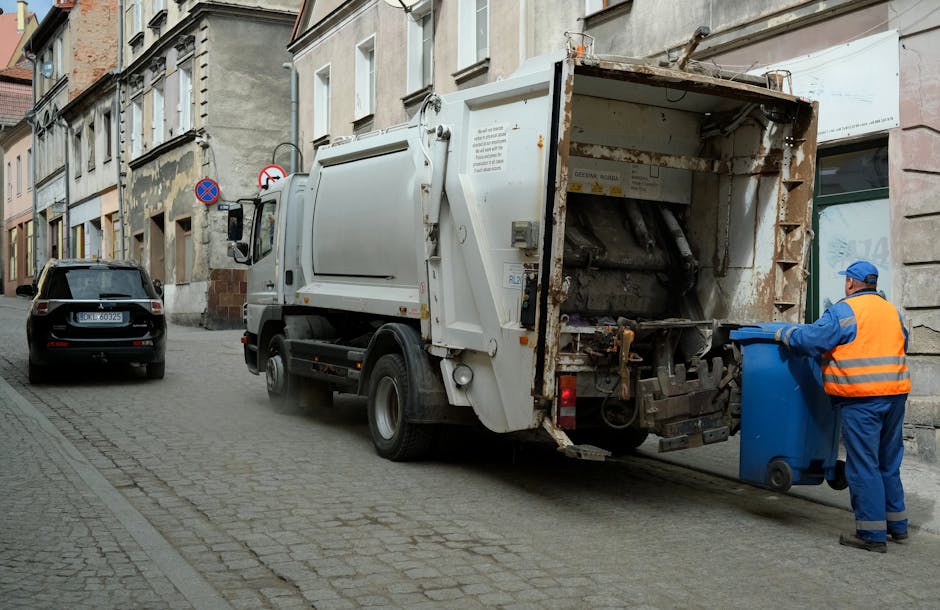
Case study or real-world example
Here's a typical Bermondsey Street scenario, stripped of fluff.
A small flat above a shop is being prepared for new tenants. The landlord needs old furniture removed, a broken shelving unit cleared, several bags of mixed rubbish taken away, and a cramped storage cupboard emptied. The stairwell is narrow, the street is busy, and there is not much room for hesitation. Classic SE1, really.
The useful move is not to treat this as one giant "rubbish job". Instead, the load is split into manageable categories: reusable furniture, broken household waste, and miscellaneous loft-like clutter from the cupboard. Photos are taken in advance, access is checked, and the route through the building is cleared before the team arrives.
On the day, the collection runs faster because the awkward parts were already identified. The flat is left tidy, the landlord can schedule cleaning, and the next occupants are not walking into a mess. That's what good rubbish removal is meant to do: reduce friction, not create it.
In a similar situation, if the waste includes odd items from a conversion or a renovation, it may be useful to look at waste clearance Bermondsey as a broader option, since mixed loads often need a more flexible approach than a simple bag collection.
Practical checklist
Before collection day, run through this quick list. It saves a lot of back-and-forth.
- Have you sorted items into keep, remove, and recycle piles?
- Have you identified any heavy, fragile, or awkward items?
- Have you checked stairs, lifts, entry codes, and loading access?
- Are any items hazardous or likely to need special handling?
- Have you taken photos of the load and access route?
- Have you cleared a path to the exit?
- Have you separated anything you might want to keep later?
- Do you know whether the job includes furniture, loft clutter, or builders' waste?
- Have you confirmed the preferred timing for the visit?
- Are payment and service details clear before work begins?
Key takeaway: the best Bermondsey Street rubbish removal jobs are usually the ones that are planned just enough to avoid surprises, but not overcomplicated. A clean setup, accurate description, and sensible expectations will do most of the heavy lifting.
Conclusion
A Bermondsey Street rubbish removal guide SE1 is really about getting control back. Over clutter. Over stress. Over the feeling that the job is bigger than the room itself. With a bit of preparation, the right type of clearance, and a realistic view of access and waste type, the whole thing becomes much easier to handle.
If you are comparing options, think in terms of time, safety, access, and the final result you want. A tidy space in SE1 feels different when the rubbish is gone properly, not just moved around. And that difference matters.
If you want to keep digging into local context while you plan your clearance, you may also enjoy the article on the appeal of Bermondsey for residents, which gives a useful sense of why the area's homes and buildings often need a flexible, practical approach.
Get a free quote today and see how much you can save.
And if all you do after reading this is clear one corner, one cupboard, or one stubborn pile by the door, that's still progress. Small wins count.
 Tipper Van - Waste Clearance and Attic Rubbish Removal Prices in Bermondsey, SE16
 Luton Van - Waste Clearance and Attic Rubbish Removal Prices in Bermondsey, SE16

